
| Product Name | Torsion Spring |
| Material | Stainless steel, carbon steel, music wire, copper,etc |
| Surface Treatment | Nickel/chrome/zinc plating /beryllium copper etc. |
| Sample Time | 3-7days |
| Brand Name | NAHE |
| Wire Diameter | 0.1mm~50mm |
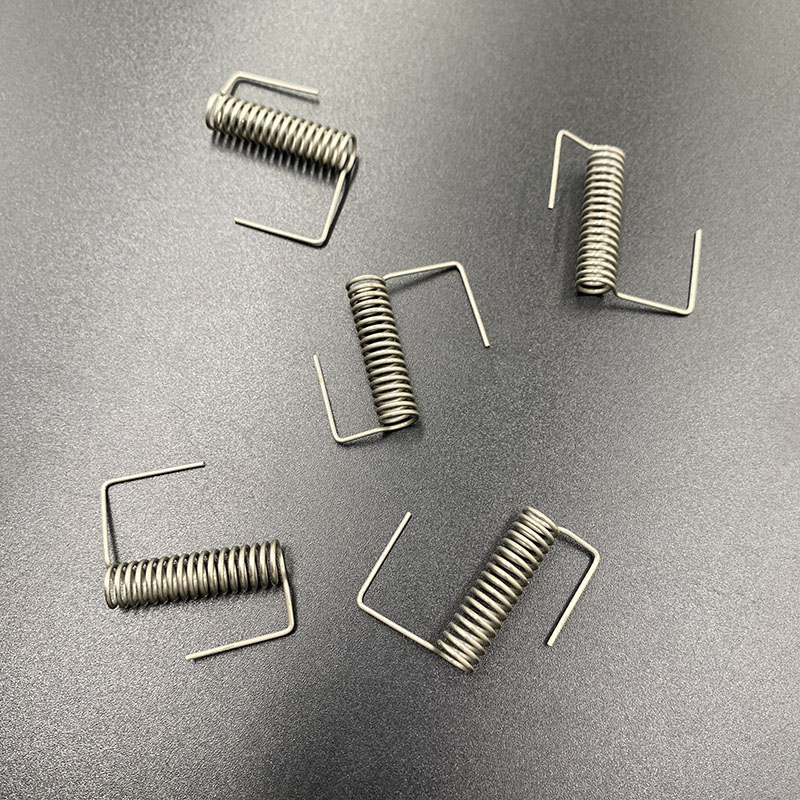
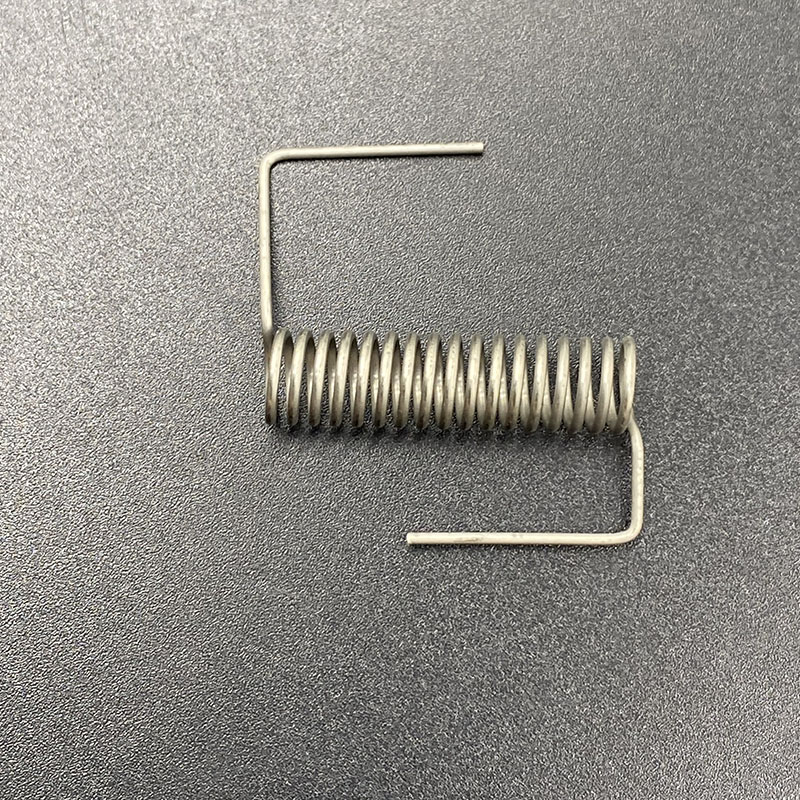
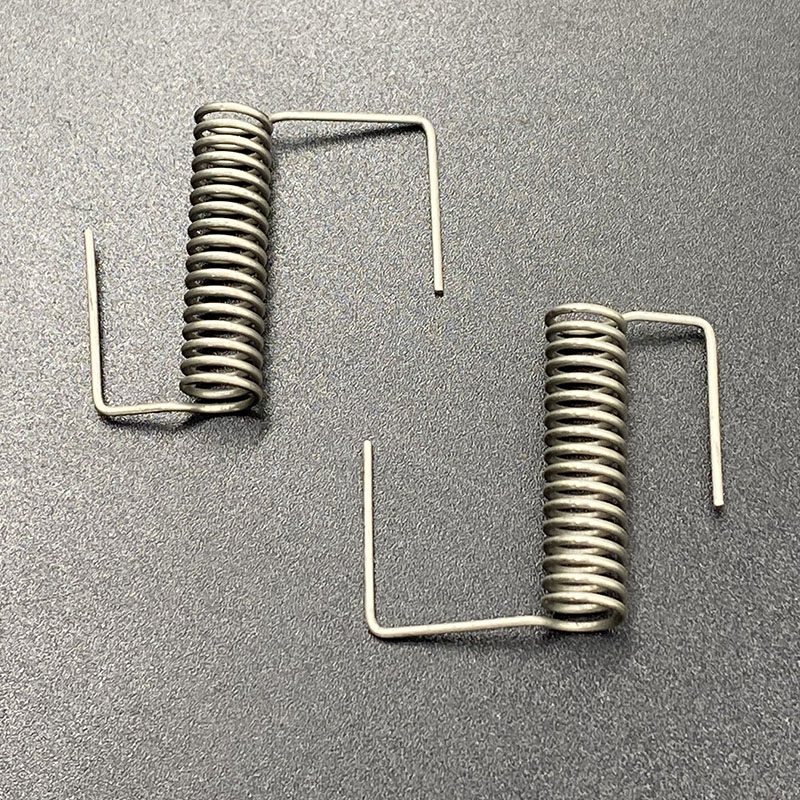
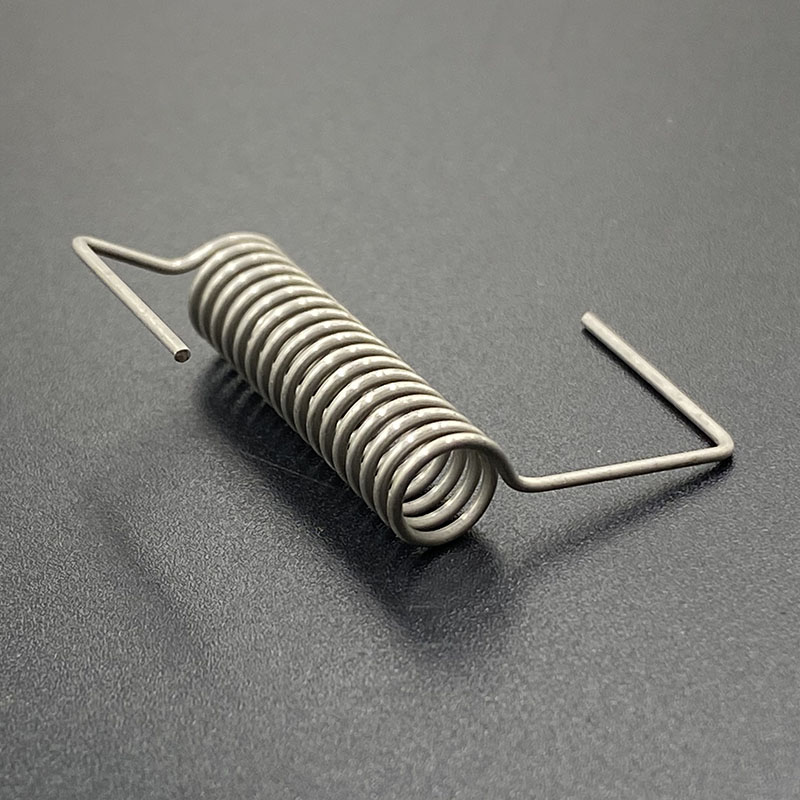
Torsion springs are a type of coil spring that generate torque or rotational force. The ends of a torsion spring are fastened to other components; when these components rotate around the spring’s center, the spring pulls them back to their initial position. Despite being named torsion springs, they are governed by bending stress rather than torsional stress. Torsion springs can store and release angular energy, or statically hold a device in place by rotating the lever arms around the spring’s central axis.
Springs of this type are usually tightly wound, yet the pitch between the coils can reduce friction. They offer resistance against rotational or twisting external forces. Depending on specific application requirements, torsion springs can be designed to operate in clockwise or counterclockwise directions, which determines the spring’s winding direction.
Structure
Torsion springs are designed with closely contacting coils to facilitate rotation and generate angular resilience. A variety of lever arm configurations are available, allowing the spring to be secured in different ways. For torsion springs, the lever arm specifications to be considered include lever arm angle, equal lever arm length, and lever arm end type. The lever arm angle is regarded as 0° when the arms are straight or parallel on the same side of the spring, and the angle increases in the non-rotational direction. Lever arm end types include straight torsion ends, straight offset ends, hinged ends, short hook ends, and hook ends. To meet application requirements, you can bend, twist the ends of the torsion spring, or form the ends into hooks or loops. Double torsion springs consist of a set of right-hand wound coils and a set of left-hand wound coils. These coils are connected and work by rotating in parallel. This type of spring needs to be designed separately, with its total torque being the sum of the torques of the coils at both ends. Each part is designed independently, and the total torque equals the sum of the torques of the coils on both sides.
Custom-engineered precision torsion springs from our ISO 9001-certified Qingdao factory. Built with high-grade stainless steel/carbon steel, they deliver reliable torque, excellent fatigue resistance, and perfect fit for automotive, electronics, machinery, and medical devices. Flexible customization on wire diameter (0.1-50mm), leg length, and end types. Contact us for quick quotes and on-time delivery.
Dimensions
Inner Diameter, Outer Diameter, Wire Diameter and Spring Length
The inner diameter must be specified when sufficient clearance is required for the spring to slide freely over the mandrel.
The outer diameter must be specified when sufficient external clearance is required for the spring to fit the size of the circular hole, or when issues related to external installation clearance are involved.
Spring length refers to the length of the spring coil.
Performance Factors
Spring Stiffness, Deflection, Load and Helical Direction Specifications
Spring stiffness is defined as the angular return torque generated per unit angular displacement.
Deflection refers to the deformation of a spring prior to damage.
Load denotes the rated load corresponding to the rated deflection.
The helical directions of torsion springs include right-hand, left-hand and double-helix.
Features of Nahe Company’s Standard Torsion Springs:In an unloaded state, the spring maintains the same arm length at different angles.